
Research Articles

New economic statecraft and global technology conflicts: The dilemma for middle powers
|By Vinod Aggarwal – Director| Andrew Reddie – Deputy Director|
Market-oriented theorizing fails to capture the reality of government intervention in the global economy. Trade and investment measures by governments around the globe, designed to protect strategic industries and maintain security of supply in the wake of a return to strategic competition, are emblematic of the need to shift our analysis of the global economy. […]
Read More
APEC: Seeking Relevance in a Changed World
|By Vinod Aggarwal – Director|
APEC has undergone a significant evolution since its founding more than three decades ago, but given its original commitment to open regionalism and co-operation among countries of diverse levels of economic development, it now faces perhaps its greatest challenge as the Trump administration upends the global trade order. Despite this, it’s also clear that the […]
Read More
Nesting Minilateralism in the Asia-Pacific
|By Vinod Aggarwal – Director|
The renewed focus on the trilateral relationship involving China, Japan and South Korea following their May summit can be seen from the perspective of a dynamic evolution of ‘minilateral’ arrangements in the region. These have sometimes come at the expense of multilateral arrangements, which have been a hallmark of the post Second World War international […]
Read More
Rethinking the Political Economy of Industrial Policy
|By Vinod Aggarwal – Director| Sonia N. Aggarwal|
Industrial policy has long been used by developing countries to promote industries through broad import substitution industrialization efforts.
Read More
Searching for global equilibrium: How new economic statecraft undermines international institutions
|By Vinod Aggarwal – Director| Andrew Reddie – Deputy Director|
The rise of “new economic statecraft”—intervention in trade and investment for foreign policy reasons—is increasingly threatening the stability of the global economic system.
Read More
The 70th Anniversary of the ROK-US Alliance: Expanding Cooperation throughout the Indo-Pacific
Seventy years after the initial signing of the alliance agreement between the Republic of Korea and the US, and after Presidents Yoon Suk Yeol and Joe Biden this year committed to strengthening the relationship, what does partnership in the 2020s and beyond really mean? Amid a year of firsts—August’s first-ever trilateral summit between the Republic […]
Read More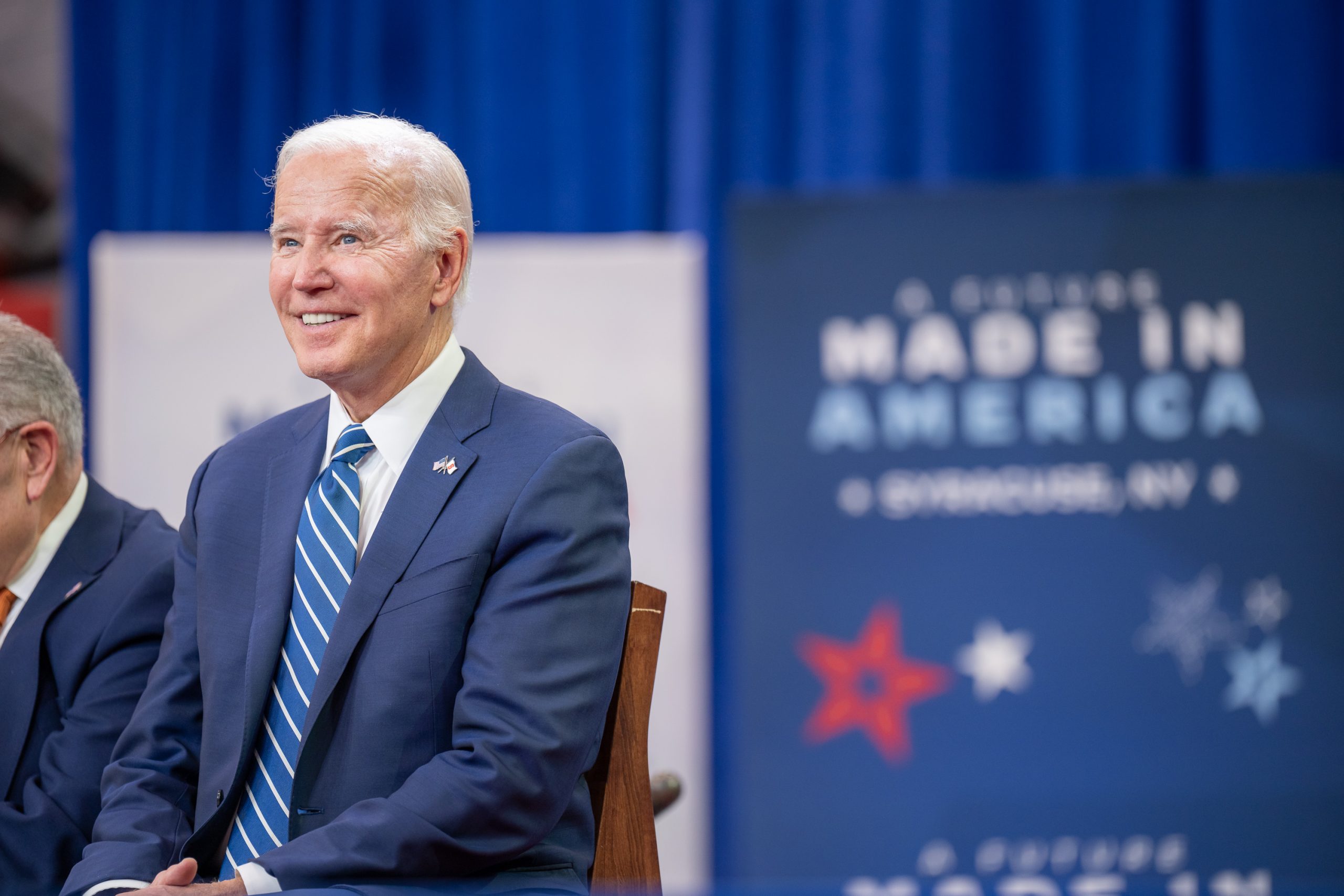
Putting the Biden Administration’s “New Economic Statecraft” in Context
|By Vinod Aggarwal – Director| Andrew Reddie – Deputy Director|
On Aug. 9, President Joe Biden declared (via executive order) a national emergency associated with the development of artificial intelligence, semiconductor, and quantum computing technology critical for “military, intelligence, surveillance, or cyber-enabled capabilities” in “countries of concern” (read: China).
Read More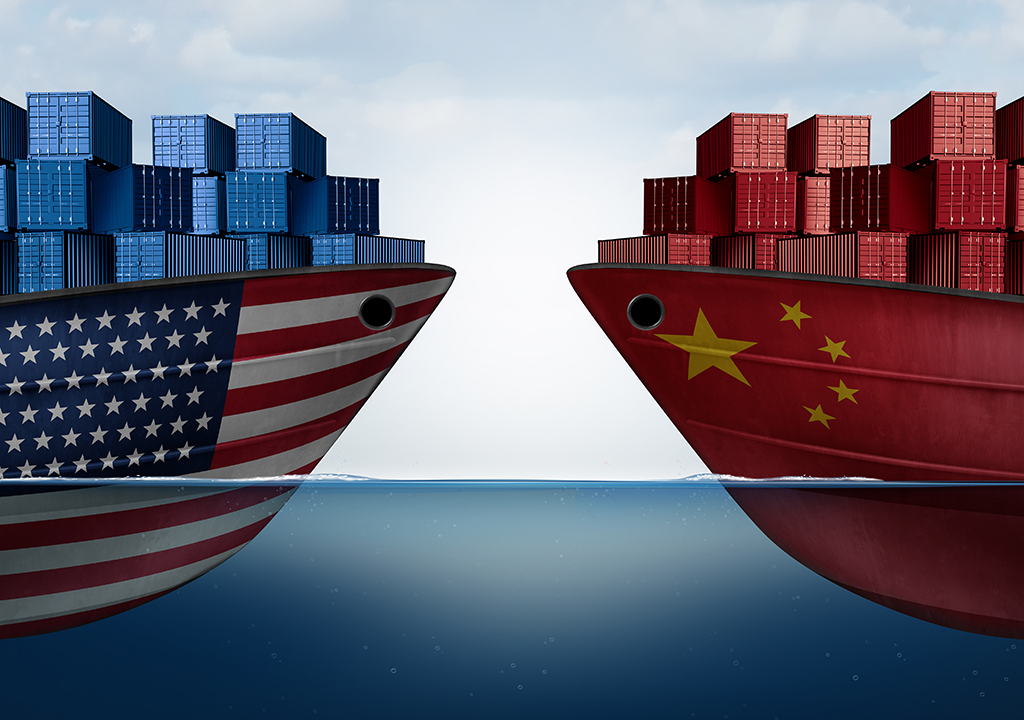
U.S.-China Trade and Investment Cooperation Amid Great Power Rivalry
|By Yuhan Zhang – Associate Director|
The use of economic tools in the pursuit of national-security interests has surged in the wake of growing geopolitical tensions, especially the rivalry between China and the US.
Read More
BASC Newsletter: Winter 2023
Supported by the Institute of East Asian Studies, the Social Science Matrix, the Centerfor Chinese Studies, and the Center for Korean Studies. The articles in this newsletter reflect the work that BASC has been doing on these fronts over the last year. To begin, we are pleased to present two adapted versions of published articles […]
Read More
Middle Powers Economic Statecraft
This research is supported by the Korea Foundation, UC National Laboratory Fees Program, and Institute of the National Interest, Chung-Ang University From aerospace technology to GPS to the Internet, governments have played an important role in providing early impetus to the research and development of technologies with both civilian and military applications. These interventions can […]
Read More
The death of US–China climate cooperation
|By Yuhan Zhang – Associate Director|
The alarm bells of the climate crisis have been ringing for years. There is an increasing consensus among climate scientists that it is indispensable to hold the increase in the global average temperature within 1.5 degrees Celsius above pre-industrial levels. But as the world’s largest greenhouse gas emitters, the United States and China have not […]
Read More
Intellectual Property as National Security: The Case of AI in the Indo-Pacific
ntellectual property has long loomed as a potent element in national security strategies, but with the proliferation of advances in technology in recent decades, it has now become a central focus of geopolitical rivalry, especially between the US and China.
Read More